Aravaipa Canyon Backpacking - 3 Days

3 Days / 2 Nights

A balanced, immersive experience with time to move through the canyon, settle into camp, and fully take it in.

All trips are private and operate under BLM-issued Special Recreation Permits.

Trip Overview

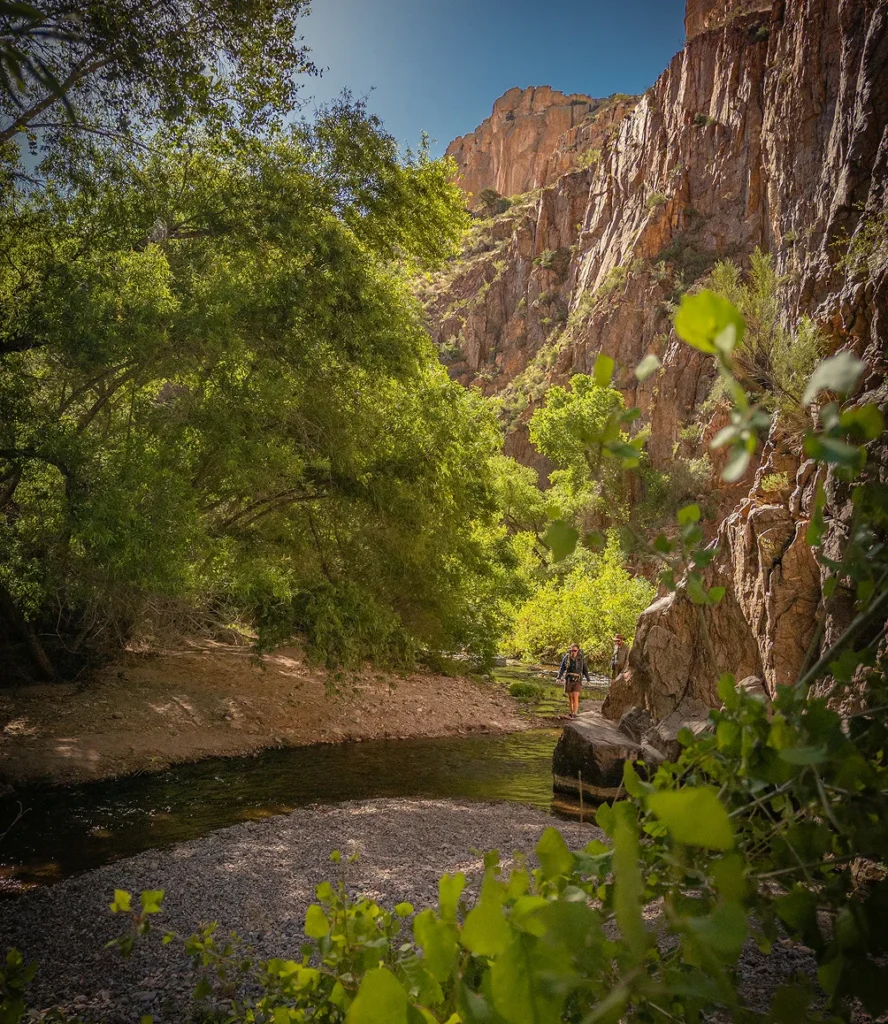
Aravaipa is an outlier. A rare spring-fed creek runs year-round through the canyon—water that has traveled underground for decades—supporting one of the most biologically rich desert corridors in North America.

The second day is where the experience opens up. Without the need to move camp, there’s time to interact with the canyon differently. The focus shifts based on what you want from the day—we guide how that takes shape. That might mean exploring deeper into side canyons with a light pack, slowing down for a guided meditation by the creek, or focusing on developing your wilderness skills.

The final morning is shaped around one more way of engaging the canyon—whether that’s a quiet wildlife walk at dawn or time in camp around a slower, more intentional breakfast.

By the time you hike out, the canyon doesn’t just feel like a beautiful place you’ve passed through. You’ve spent enough time in it for the experience to stay with you.

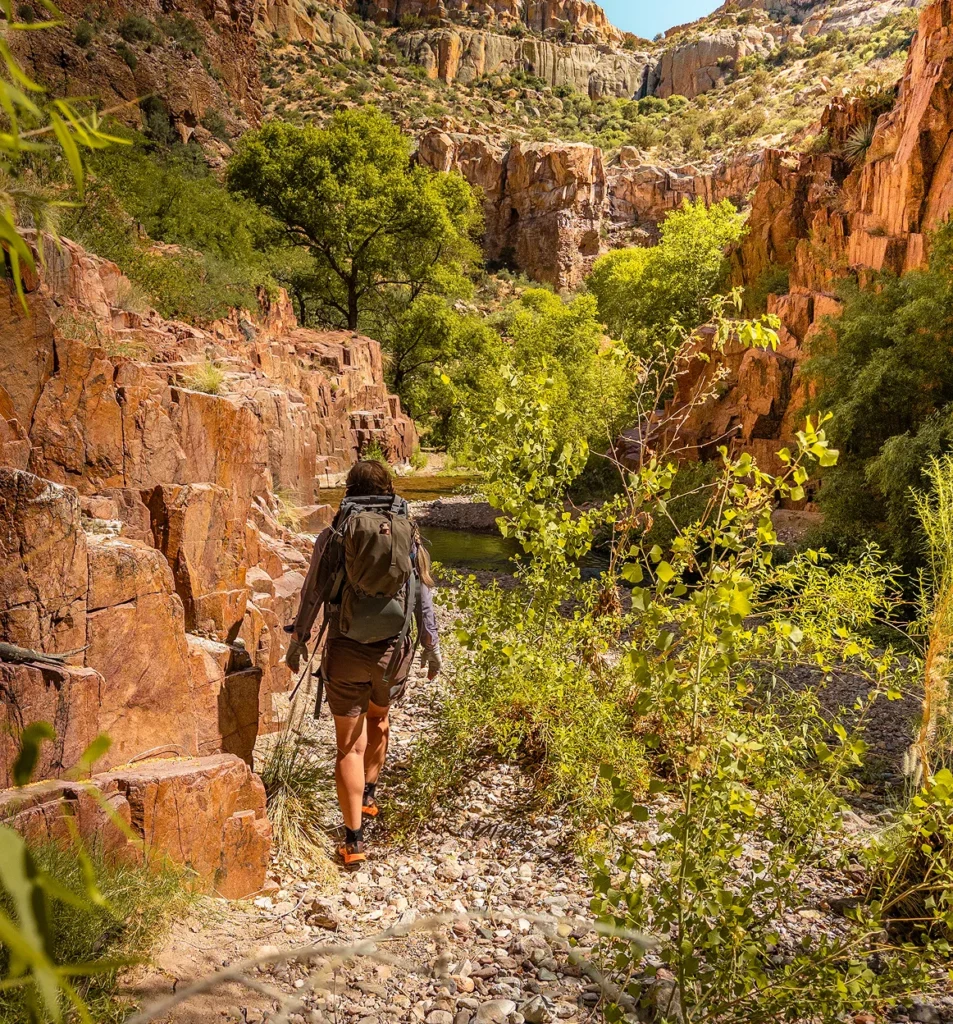
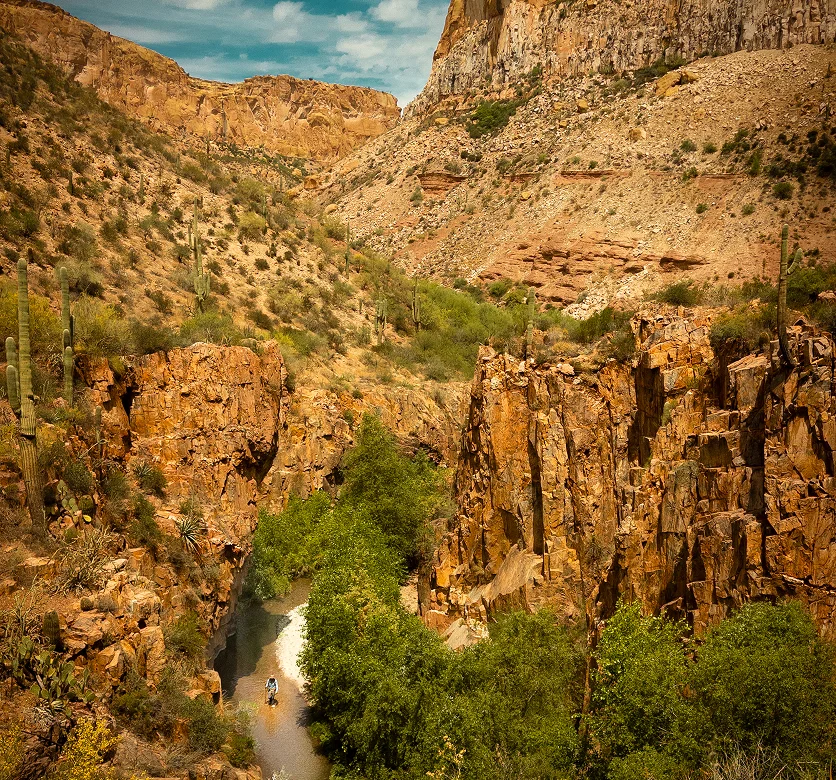
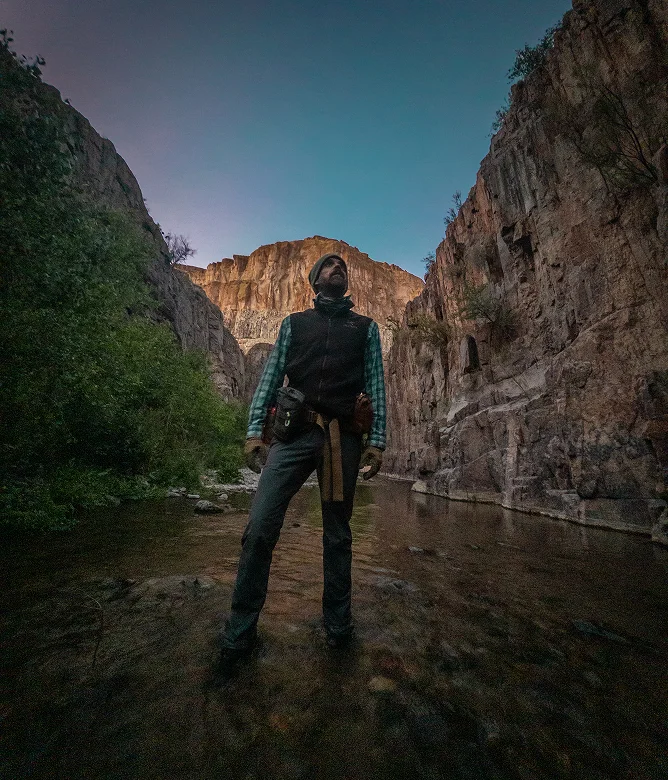
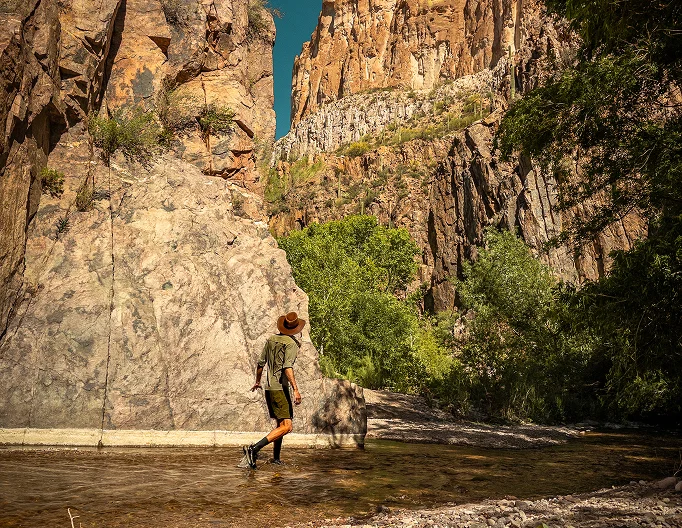
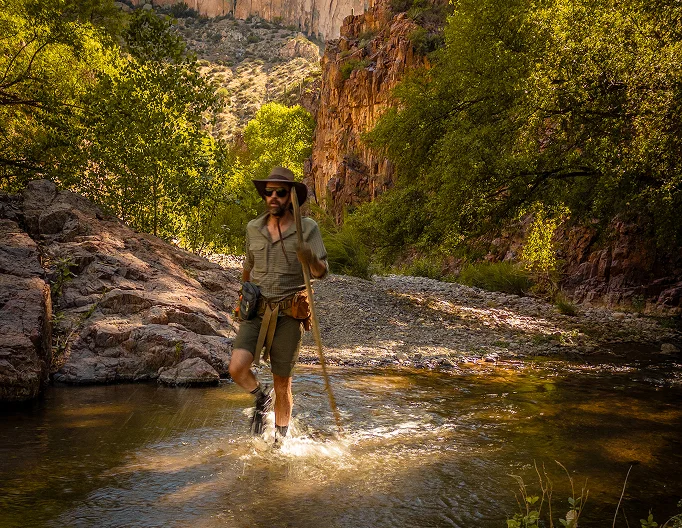
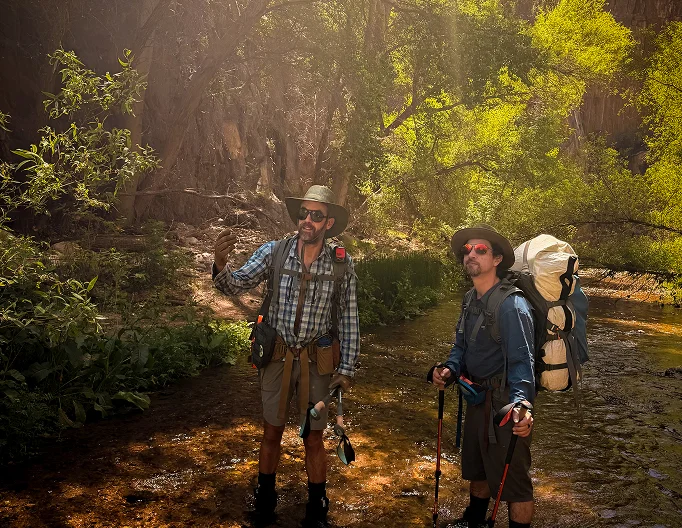
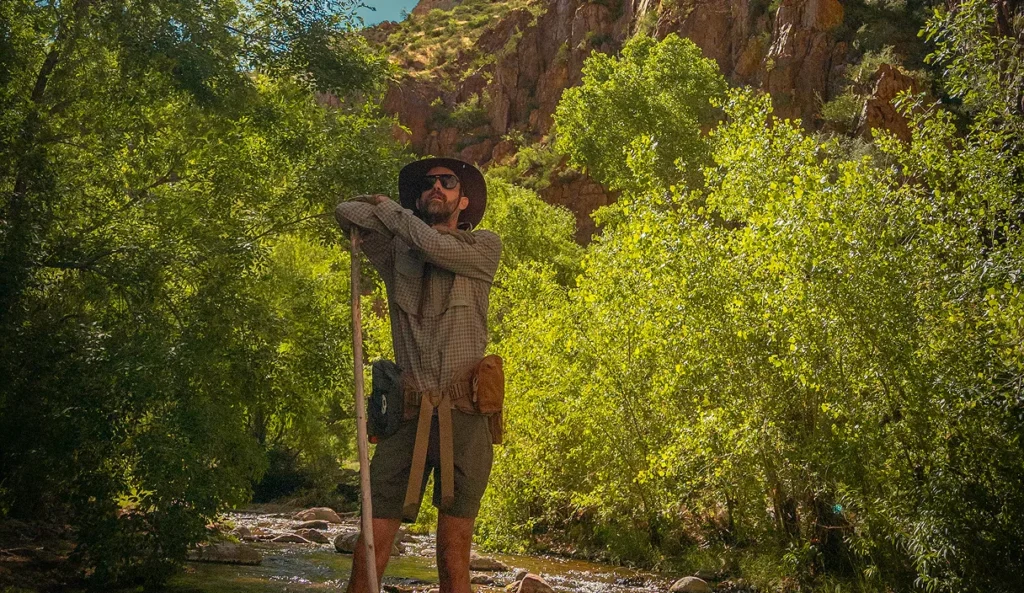
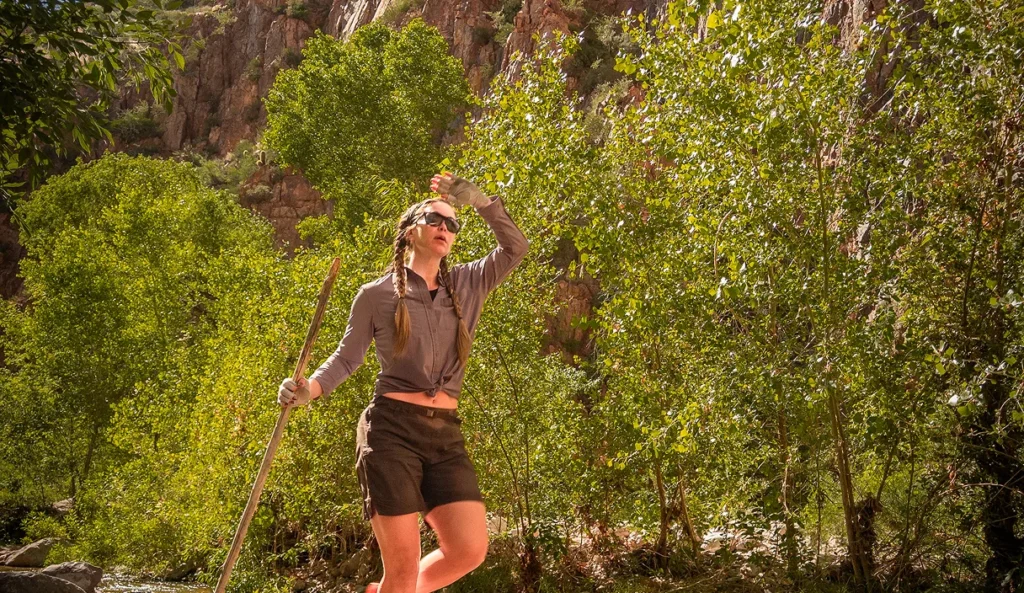
You’re not hiking alongside it. You’re in it—crossing the creek repeatedly and often moving in the water itself. The canyon walls rise higher and higher around you—up to 1,000 feet in some sections.

This three-day format is what allows that experience to fully take hold. The first day is about moving into the canyon and establishing camp in the right place. Along the way, we bring context to what you’re moving through—so you’re not just seeing it—you’re understanding how it works.

Itinerary

Day 1

Entering the Canyon & Establishing Camp

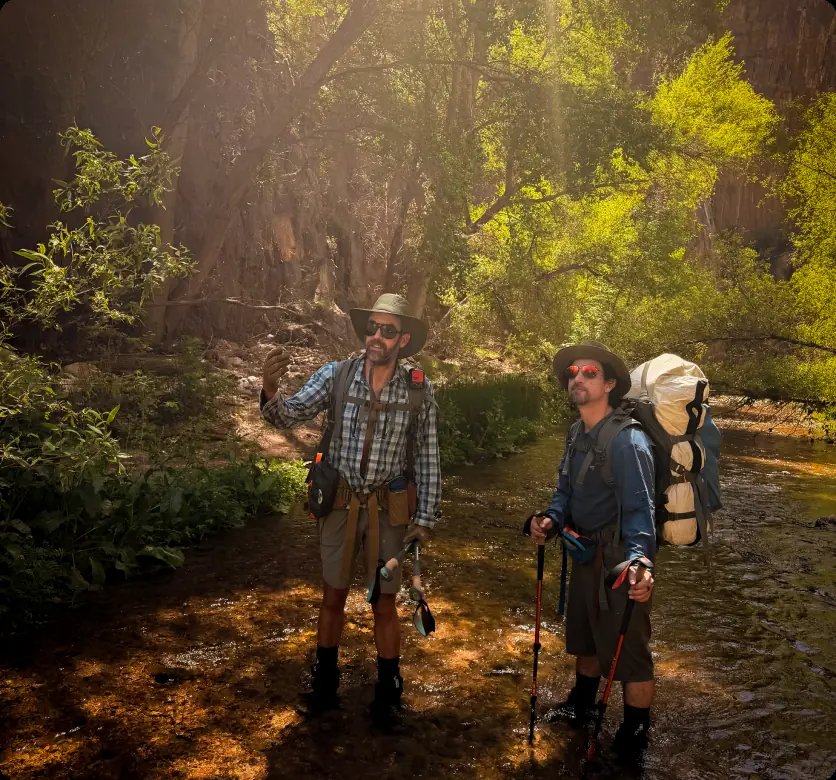
Meet at the trailhead, review gear together, and begin moving into the canyon—crossing the creek repeatedly as you go. 

We set the pace and choose a camp location that supports the rest of the trip.

Once established, there’s time to settle in and ease into the rhythm of the canyon.

Day 2

Based from Camp

With camp in place, the second day opens up.

You move with lighter packs, and the focus shifts based on what you want from the experience—we guide how that takes shape.

Day 3

Morning & Exit

The final morning is shaped around one more way of engaging the canyon before preparing to exit.

From there, you break camp and hike out.

Reviews

How We Guide This Experience

Each trip is tailored to you—guided with expertise in the land, the skills to move through it, and the ability to shape a meaningful experience in it.

Every trip starts with a planning call where we learn what you want from the experience—pace, focus, comfort level, and what would make the time in the canyon feel well spent.

From there, we design a structure that supports that.

Once in the canyon, we guide the experience in real time—adjusting movement, daily structure, and how the middle day is used based on the group, the conditions, and your priorities.

You’re not following a fixed itinerary, but it’s not improvised either. The decisions are informed by deep familiarity with the canyon and how this trip works best.

You always have a say in how the experience unfolds.

Our role is to guide those choices—so the time is used well and the trip comes together cleanly.

Customize Your Trip

Every trip is designed around what you want from your time in the canyon.

We start with a planning call to understand your pace, interests, and experience level. From there, we shape the structure of the trip—and once in the canyon, we guide how each day is used based on your priorities.

For example:

1. How You Move

Do you want to cover ground or settle more fully into place?

  • Exploratory / Active — covering more distance, moving dynamically, and reaching further sections of the canyon
  • Balanced — a mix of movement and time spent in key locations
  • Slow / Restorative — shorter distances, with more time spent in camp or in specific places

2. Primary Focus

This becomes the backbone of the trip.

  • Ecology & Landscape — understanding how the canyon works: water flow, plant life, wildlife patterns, and how everything connects
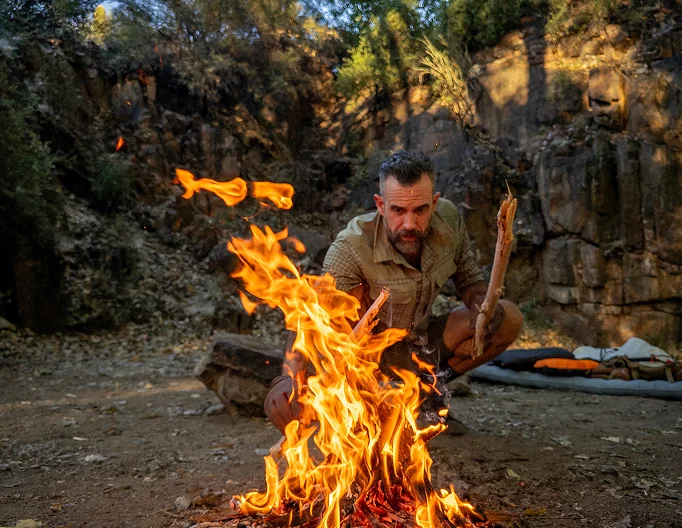
  • Backcountry Skills — building confidence through repetition: packing, camp systems, fire, food, and decision-making
  • Restorative / Place-Based Experience — guided practices rooted in the canyon, including meditation, altar-building, and journaling with natural materials
  • Exploration & Range — using the available time to reach further sections of the canyon, explore side canyons, and cover more ground in a deliberate, well-paced way
  • Photography — learning how to work with the canyon: light, composition, timing, and choosing stronger locations

3. Secondary Elements

These can be incorporated alongside your primary focus.

  • Explore further into side canyons or less-traveled sections
  • Spend extended time in particularly scenic or interesting areas
  • Add skill-building or ecological depth alongside another focus
  • Incorporate quieter or more reflective time where it fits

4. Food Experience

Meals can be kept simple or made more central to the experience.

  • Simple Trail Meals — efficient and lightweight
  • Elevated Trail Meals — more thoughtfully prepared, with the trade off of carrying additional weight and spending more time cooking and eating instead of doing other things

We treat the trip as a shared system—food and gear choices are part of that, and we’ll help you find the right balance.

5. Guiding Style & Interaction

How do you want the experience to feel day to day?

  • Narrated / Naturalist-Guided — ongoing context and explanation of what you’re seeing
  • Spacious — quieter stretches with room to take in the experience on your own
  • Light Guidance — more minimal input, with context offered selectively

We treat the trip as a shared system—food and gear choices are part of that, and we’ll help you find the right balance.

Meet Your Guides

Tina and Axel

You’ll be guided by Tina and Axel, who bring complementary strengths to the experience.

Axel focuses on how the trip runs—systems, logistics, and making sure everything works cleanly in a remote environment.

Tina focuses on how the canyon is experienced—helping you notice more, understand what you’re moving through, and engage more directly with the landscape.

Axel

Drawing on a background in designing and managing complex operations, he focuses on how the trip runs in practice—from gear systems that work reliably in a wet, variable canyon environment to camp setups that are efficient, comfortable, and well-structured.

He manages navigation, logistics, equipment, risk management, and group flow in a way that allows the experience to feel smooth and intentional, without requiring guests to think about the details behind it.

Certifications:
Wilderness First Responder
Wilderness First Aid
CPR

Tina

Drawing on training in somatic work, along with extensive study of desert ecology and photography, she helps guests notice what they would otherwise pass by—how water moves through the canyon, where life concentrates, and how to read the landscape with more clarity and context.

Her guiding style encourages a slower, more attentive experience—through conversation, quiet observation, and guided practices that help you settle into the environment.

Certifications:
Wilderness First Responder
Wilderness First Aid
CPR

Trip Details & Pricing

Permits

Permits are required for all travel in Aravaipa Canyon.

  • For shuttle-only trips, you are responsible for securing your own permits.

If you have questions about how permits work or how to coordinate timing, we’re happy to walk through it with you during your planning call.

What’s Included
  • Private shuttle between East and West trailheads
  • Flexible timing based on your itinerary
  • Route maps and timing support
  • Cold drinks and trail snacks
  • Optional guided drive with context on the canyon, access points, and conditions
Vehicle & Access

Access to the canyon isn’t always straightforward.

We operate a high-clearance 4WD vehicle equipped for rough and variable road conditions, including water crossings and post-storm terrain.

This allows for more reliable access to both trailheads and reduces the risk of delays or complications on the day of your shuttle.

How the shuttle logistics work

Shuttle routes in Aravaipa are more involved than they appear on a map.

While the trailhead-to-trailhead drive is roughly 3.5 hours, the full route typically includes:

  • We travel from Tucson to the trailhead to meet your group
  • The cross-canyon drive between trailheads
  • We return back to Tucson after drop-off

In total, most shuttle days involve 9–10 hours of driving on our end, often on remote roads with variable conditions.

Group Size
  • Private Groups Only
  • Up To 4 Passengers

From $4,800

per private trip

All trips are private and priced per group size.

3 Days / 2 Nights

1–2 People
USD $4,800
3 People
USD $6,200
4 People
USD $7,600

Optional Add-ons

  • Professional photography shoot
  • Advanced wilderness cooking & feast package
  • Backpacking gear package purchase (same top-tier kit as our rental kit, but all brand new items and yours to keep after the trip)
4 People
USD $7,600

We’ll walk through pricing and options during your planning call so everything is clear and aligned before you book.